
Practice & Background
An independent software practice informed by field ecology and built through years of scientific and institutional experience.
About Full Stack Ecoinformatics
Full Stack Ecoinformatics was founded to bridge the gap between ecological research and long-term, reliable software systems.
Ecology and conservation increasingly depend on complex data workflows, analytical models, and digital tools. Yet many of these systems are built around immediate research needs rather than sustained operational use. As programs expand, the underlying infrastructure often struggles to remain reliable and maintainable.
Drawing on deep experience in both ecological science and modern software engineering, we build durable data systems that researchers, field biologists, and land managers can trust. The aim is not simply functional software, but infrastructure that strengthens conservation practice and supports meaningful impact over time.
Our Approach
Full Stack Ecoinformatics operates as a founder-led practice, with direct collaboration from initial architecture through implementation. Clients work directly with the engineer designing and building their systems — without intermediaries or layered management.
Every project begins with clearly defined objectives, constraints, and long-term operational requirements. Scope and deliverables are structured deliberately to ensure alignment and accountability.
Engineering decisions prioritize reliability, maintainability, and clarity. Systems are designed to meet user needs without unnecessary complexity, and infrastructure is implemented transparently with documentation that supports long-term stewardship.
The result is practical, durable software built for sustained conservation work.
Founder & Principal Engineer
Devin R. Leopold, PhD
My path to software engineering began in the field.
I spent years working in Hawaiian conservation — hunting invasive feral pigs at Hakalau Forest National Wildlife Refuge, constructing field infrastructure on remote atolls with the U.S. Fish and Wildlife Service, and leading biodiversity surveys in montane tropical forests across Hawaii Island. Those years shaped my understanding of conservation and field research as operational, physical, and logistically complex work carried out under real-world constraints.
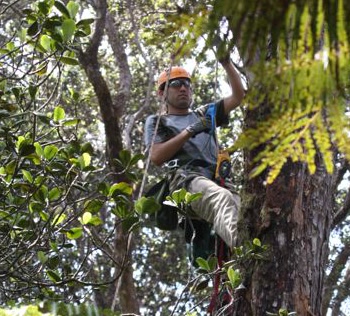
That field experience led to doctoral research at Stanford University, where I studied microbial community ecology and worked at the cutting edge of molecular methods for microbiome research. My work focused on quantitative analysis and data-intensive approaches to understanding ecological systems, grounding my scientific training in both field observation and computational rigor.
Following a postdoctoral fellowship at the University of Oregon, I joined Jonah Ventures, an environmental DNA laboratory in Boulder, Colorado. There, my role evolved from computational biology into full-stack software development. I built sequencing dashboards, data platforms, and bioinformatics workflows — designing tools that moved ecological data from laboratory pipelines into usable systems.
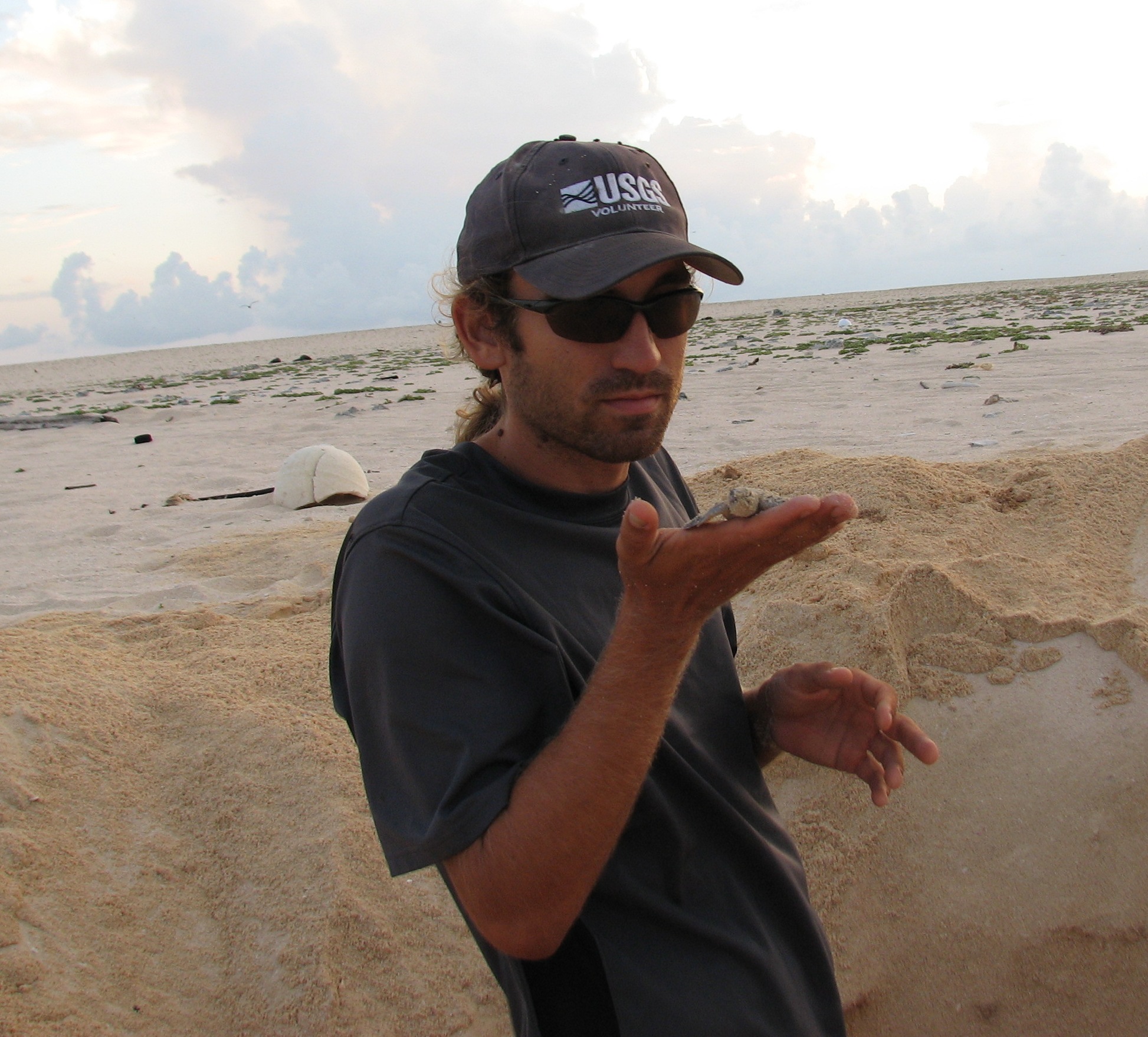
Over time, my work expanded into broader software architecture and cloud-native infrastructure, including projects supporting the Smithsonian Institution and conservation-focused initiatives within the U.S. Geological Survey. I began to focus not only on analysis, but on building durable systems capable of supporting long-term scientific and conservation programs.
Full Stack Ecoinformatics emerged from that progression. Today, I focus on ecology-aligned software engineering — bringing together field experience, research training, and modern engineering practice to build systems that reflect both the scientific realities and operational demands of conservation work.
Ready to Discuss Your Project?
If you're developing or modernizing software and data systems for ecological or scientific work, let's connect. We'll begin with a focused conversation about your goals, technical constraints, and how to build infrastructure that supports long-term impact.
Get in Touch